
Mice Anthology Frenzical
About
Mice Anthology Frenzical keeps things deliberately narrow: one song, arrow-key input, and a fail state that punishes repeated mistakes. That simplicity works in its favor for families and rhythm newcomers, while the timing demand gives veterans something to sharpen. The open-source credits and single-track scope mean there's no padding, but also no variety beyond "Frenzical" itself.
Core Rhythm Mechanic
In Mice Anthology Frenzical, you control BF's performance of the song "Frenzical" by watching the floating arrow symbols that appear above his head. When an arrow shows up, you press the corresponding arrow key on your keyboard at the exact moment it reaches the hit position. The goal is to match each arrow accurately as the music plays, building a streak of successful hits. Miss too many or press the wrong key repeatedly, and the game ends. The challenge lies in staying locked to the song's rhythm rather than reacting to what you see.
Open-Source Collaboration
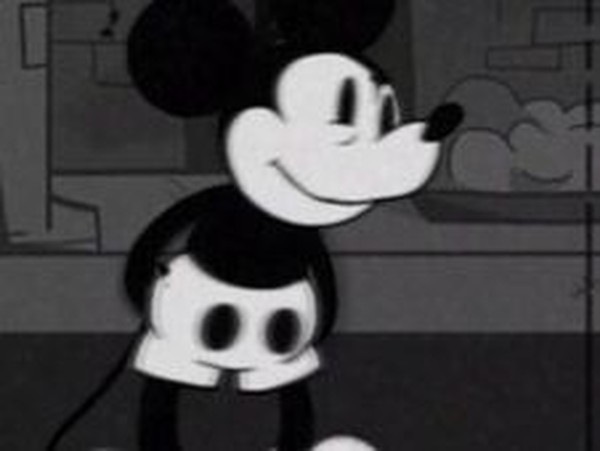
This version of the game is open-source, with mod credits going to ThatOne_Kid for chartering, Saster for music, and Box Funkin for assets. The original foundation comes from ninjamuffin99, PhantomArcade 3K, Evilsk8r, and Kawai Sprite. That community-driven structure means the game is built on shared contributions, and the single song "Frenzical" serves as the complete musical backdrop for the arrow-matching gameplay. [IMG_1]
Accessibility and Audience
Controls are limited to the arrow keys, so there's no complex input scheme to learn. The game is designed to be family-friendly and safe for all ages, which makes it approachable for younger players or anyone new to rhythm games. At the same time, the timing-based scoring and the risk of ending a run after repeated mistakes give experienced players a reason to refine their accuracy. The visual cues—floating arrows above BF—are clear and consistent, so the difficulty comes from timing rather than deciphering the interface.
Improving Your Timing
Because the game ends after too many consecutive errors, building muscle memory for arrow patterns is more useful than trying to read each note individually. Practicing the song repeatedly helps you anticipate when arrows appear and how they line up with the beat. If the game allows a slower starting pace, use it to learn the sequence before returning to full speed. Short breaks can also help maintain focus, since fatigue tends to dull reaction time and cause unnecessary misses.
Compatibility
FAQ
Comments
Sign in to comment
You must be logged in before posting a review or rating.
No comments yet. Be the first to comment!








Editorial Notes