
Temple Speed Arcade Racing
About
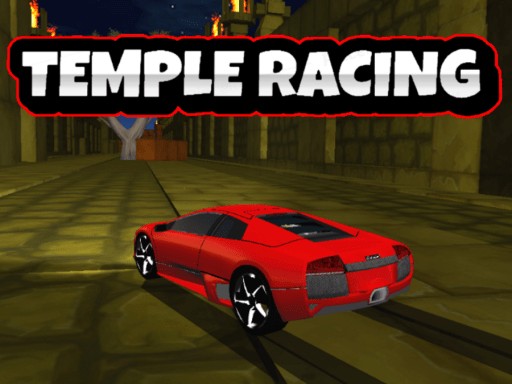
Temple Speed Arcade Racing keeps its scope narrow: steer a red sports car through procedurally generated temple corridors, avoid pillars and walls, and survive as speed climbs. The three difficulty levels and simple keyboard or touch controls make it easy to start, while the endless format and instant-fail collisions give experienced players a clear skill ceiling. It suits players who enjoy short, reflex-driven runs rather than deep progression or vehicle customization.
Temple Corridors as a Racing Course
Temple Speed Arcade Racing places a sleek red sports car inside ancient temple environments. Pillars and walls form the obstacles, and the car only moves laterally—left or right—so the challenge comes from reading the corridor ahead rather than managing throttle or braking. The temple theme is not just decoration: tight architecture limits reaction space, and the visual contrast between the car and stone surfaces helps players track their position at higher speeds.
Procedural Paths and Endless Progression
Paths are procedurally generated, so the layout of pillars and walls changes between runs. That means players cannot memorize a single route; they learn general patterns and rely on reflexes instead. Distance is the main measure of progress. As a run continues, speed gradually increases, which shortens the time available to identify and avoid each obstacle. The game ends immediately on contact with any barrier.
Difficulty Levels and Accessibility
Three difficulty levels are included, giving beginners a slower starting pace and experienced players a steeper ramp. Controls are intentionally simple: keyboard arrow keys or on-screen touch controls. There is no special equipment requirement. The combination of simple input and escalating speed makes the game accessible to a wide age range, though the endless format means runs become demanding as they stretch on.
Reading the Road Ahead
Because speed rises over time, the most useful habit is scanning further ahead rather than watching the car itself. Gentle steering corrections help avoid overcorrecting into a pillar after a late dodge. Maintaining a steady rhythm becomes more important than reacting to each obstacle individually, and short breaks can help preserve concentration during longer sessions.
Compatibility
FAQ
Comments
Sign in to comment
You must be logged in before posting a review or rating.
No comments yet. Be the first to comment!








Editorial Notes