
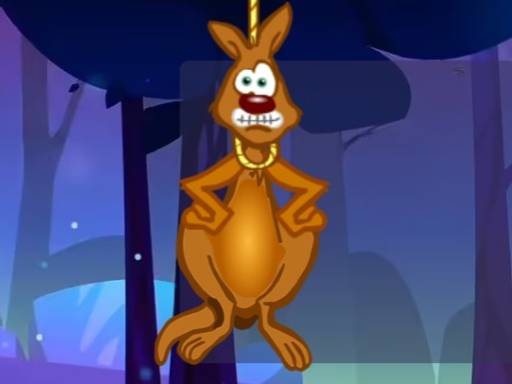
Kanga Word Puzzle Challenge
About
Kanga Word Puzzle Challenge delivers a straightforward word guessing experience with a clear goal: solve 10 puzzles to rescue Kanga. The sarcastic kangaroo commentary adds personality and provides feedback on guesses. The limited error count creates mild stakes without feeling punishing. The category system, covering topics like Olympic sports and cartoon characters, helps narrow choices and keeps rounds varied. It suits players who want a relaxed vocabulary workout rather than a timed challenge. The game does not appear to offer multiplayer or advanced modes, so its appeal rests on the core loop and Kanga's humor.
Uncovering Words with Kanga
Kanga Word Puzzle Challenge is a single-player word guessing game where the goal is to fill in blank spaces representing hidden words or phrases. A clever and sarcastic kangaroo named Kanga provides running commentary, reacting to both correct and incorrect guesses. The game is structured as a series of puzzles, with a total of 10 to solve. Completing all 10 rescues Kanga from a sticky situation. The tone stays lighthearted and family-friendly throughout, making it suitable for players of all ages.
How a Round Plays Out
Each puzzle begins with a category selection. Categories include Olympic sports, cartoon characters, animals, and plants, among others. Once a category is chosen, blank spaces appear for each letter of the hidden word or phrase. An on-screen keyboard lets you click or tap letters to guess. Correct letters fill the corresponding blanks. Wrong letters trigger a snarky remark from Kanga and increase your mistake count. You have a limited number of errors before the game ends, so each guess carries weight. The interface is clean and intuitive, letting you start playing immediately without a tutorial.
Reading Kanga's Reactions
Kanga's comments are not just decorative. They signal whether a guess was right or wrong, and the humor keeps the experience from feeling like a dry vocabulary drill. The sarcasm is mild and playful, aimed at keeping the mood relaxed even when you make mistakes. Because the game ends after too many errors, Kanga's remarks also serve as a subtle warning that your mistake count is climbing. This feedback loop—guess, see Kanga's reaction, adjust—is the core rhythm of play.
Approaching the Puzzles Strategically
Success depends on letter frequency and category awareness. Starting with common vowels and frequently used consonants reveals the most information per guess. The category hint narrows the possible answers significantly; for example, knowing the word relates to Olympic sports rules out animal names. Tracking your mistake count helps you avoid random guesses when you are unsure. If you get stuck, pausing to brainstorm words tied to the category is more effective than guessing blindly. Regular play builds vocabulary and pattern recognition over time.
Compatibility
FAQ
Comments
Sign in to comment
You must be logged in before posting a review or rating.
No comments yet. Be the first to comment!






Editorial Notes