
Space Defense Tactical Command
About
Space Defense Tactical Command keeps its scope tight: three ships, one base to protect, and two adjustable systems for formation and aiming. That restraint works in its favor, letting each decision matter without overwhelming the player. The mix of planning and real-time response suits players who want tactical depth without a steep learning curve. The main limitation is that the game's variety depends entirely on enemy patterns, so replay value hinges on how differently those encounters play out.
Fleet Command Basics
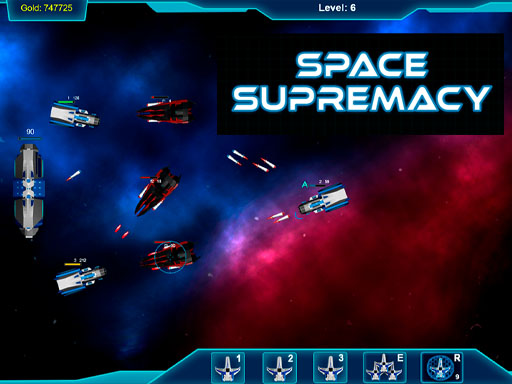
Space Defense Tactical Command places you in charge of three combat vessels with one clear objective: keep your home base intact against incoming enemy forces. The game blends planning and real-time action, so you are not just setting up a defense and watching it play out. You actively manage your ships as the situation develops.
Formation Choices That Matter
Before combat begins, you decide how to deploy your three ships. You can keep them together as a coordinated group or assign each vessel a fixed defensive position around the base. This choice shapes how you respond to enemy movements. A grouped formation concentrates firepower but leaves other angles exposed. Spreading ships out covers more ground but weakens your response to focused attacks. Neither approach is permanently correct; the right call depends on what the enemy does.
Aiming Modes and Real-Time Adjustments
Each ship can be set to aim automatically for quick reactions or controlled manually for deliberate targeting. Automatic aiming keeps your ships responsive without constant input, which helps when you are busy repositioning another vessel. Manual aiming gives you precise control over what each ship targets, useful when you need to prioritize a specific threat. You can change aiming settings mid-battle, so the game rewards players who stay flexible rather than locking into one setup.
Reading Enemy Patterns
Success comes from watching how opponents move and adjusting your formation and aiming modes accordingly. If enemies concentrate on one side, shifting a ship or switching to manual aim can turn the tide. The game avoids overcomplication by limiting you to three ships and two core decisions—positioning and aiming—but the combination of those choices creates varied encounters. Each round asks you to balance planning with active response.
Compatibility
FAQ
Comments
Sign in to comment
You must be logged in before posting a review or rating.
No comments yet. Be the first to comment!








Editorial Notes