
Complete the Picture Puzzle
About
Complete the Picture Puzzle offers a low-pressure twist on the puzzle genre by making freehand drawing the main interaction. The gradual increase in figure complexity provides a natural difficulty curve, while visual hints keep frustration low. Its untimed structure suits short breaks or relaxed sessions. The main limitation is that the input does not specify puzzle count or additional modes, so replay value depends on how many built-in images are included.
Drawing as a Puzzle Mechanic
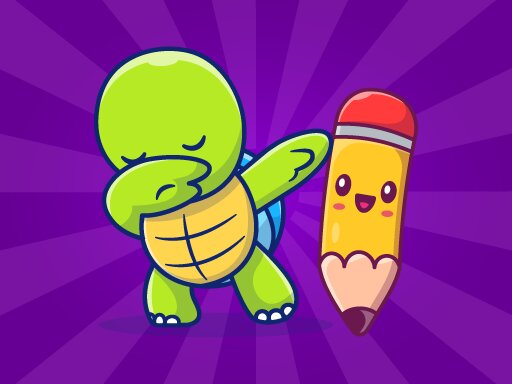
Complete the Picture Puzzle turns freehand drawing into the core puzzle mechanic. Each screen shows a partially drawn figure, and the missing sections must be filled in by hand. Unlike jigsaw or slide puzzles, there are no pre-cut pieces to drag into place. The player decides where and how to draw, which makes observation and spatial reasoning just as important as artistic skill. The result is a hybrid challenge: you are not just solving a puzzle, you are completing a drawing.
Controls and Visual Guidance
Input is straightforward. On a touch device, you draw with a finger. On a computer, you use a mouse. The game supplies visual hints that indicate what is missing, so the player is never left guessing blindly. This guidance system keeps the experience accessible without removing the challenge, because the player still has to interpret the hint and translate it into a drawn line. The controls are designed to feel responsive, which matters when precision is required to match existing linework.
Puzzle Subjects and Progression
The puzzles cover a range of subjects, from everyday objects to playful characters. Early puzzles feature simpler incomplete figures, while later ones become more intricate. This progression is the main difficulty curve. It builds drawing confidence gradually rather than throwing complex scenes at the player immediately. Because each level presents a new incomplete figure, the game avoids the repetition that can make drawing-based games feel stale.
A Relaxed, Untimed Format
There are no time limits or pressure mechanics. Players can study the incomplete image for as long as they need before drawing. This design choice makes the game suitable for short breaks or longer relaxing sessions. It also means the challenge comes entirely from the puzzle itself, not from artificial urgency. The calm pacing is central to the experience, and it is what separates this game from faster-paced arcade puzzle titles.
Compatibility
FAQ
Comments
Sign in to comment
You must be logged in before posting a review or rating.
No comments yet. Be the first to comment!



Editorial Notes