
Classic Solitaire Card Puzzle
About
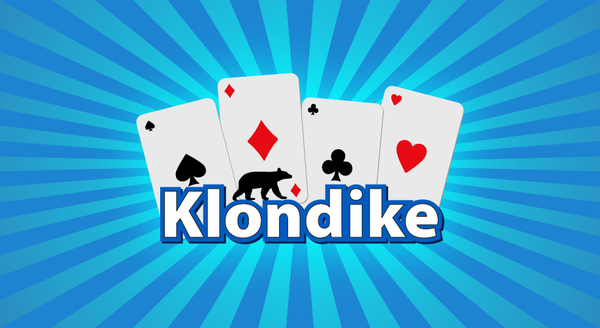
Classic Solitaire Card Puzzle delivers the standard single-player card game without extra modes or pressure. Its strength is accessibility: simple drag-and-drop controls, free browser play, and rules that anyone familiar with solitaire already understands. The challenge comes from pattern recognition and planning, not reflexes. It suits players who want a calm, screen-based activity during breaks or longer downtime. The main limitation is the lack of described variations or advanced features, so it is best for those seeking the familiar classic experience.
Sorting a Shuffled Deck
Classic Solitaire Card Puzzle follows the standard single-player rules of traditional solitaire. The goal is to move all 52 cards into four foundation piles, each built by suit from ace to king. The game deals seven columns with one to seven cards each; only the top card of every column is face up. The rest of the deck becomes a draw pile. Unlike timed or score-chasing variants, this version is played at your own pace, with no download and instant play in a web browser.
Building Sequences and Moving Cards
Cards move between columns to form descending sequences that alternate in color. A red six can be placed on a black seven, for example. Only face-up cards can be moved, and they can be relocated individually or as a valid sequence. When no column move is available, you draw from the pile. The foundation piles accept cards in ascending order by suit, starting with aces. The game ends when all cards are correctly placed on the foundations.
Uncovering Hidden Cards
Early decisions shape the rest of the deal. Moves that flip a face-down card open new options, while rearranging visible cards often just shifts the same problem. Keeping columns balanced prevents one stack from becoming too long to manage. Because the game rewards patience and pattern recognition, regular play helps you spot efficient sequences faster.
Who This Suits
Anyone who knows the basic rules can start immediately. The interface uses simple drag-and-drop controls, and the challenge comes from logic and planning rather than reflexes. It works as a short break activity or a longer session, and the absence of timers or penalties makes it suitable for players of all ages who want a quiet, screen-based puzzle.
Compatibility
FAQ
Comments
Sign in to comment
You must be logged in before posting a review or rating.
No comments yet. Be the first to comment!





Editorial Notes