
Polar Penguin Dash
About
Polar Penguin Dash keeps its scope tight: one input, one penguin, one distance counter. The shifting ice and changing obstacle patterns prevent runs from feeling identical, while the gradual difficulty curve makes it approachable for younger or casual players. The absence of skill trees or inventories means there is nothing to manage between attempts, which suits the arcade format. Its main limitation is that the experience depends entirely on reflex and pattern recognition, so players seeking deeper progression or story will not find it here.
Tap-to-Steer Penguin Control
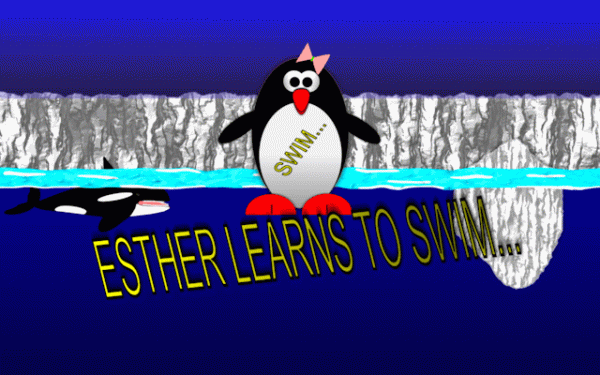
Polar Penguin Dash uses a single-button control scheme: tap or click to change the penguin's direction and speed as it moves through frigid waters. That simplicity is the point. Because you only manage one input, every mistake is clearly your own, and the game becomes a test of when to act rather than what combination to press. The penguin's momentum and the shifting environment mean you cannot simply hold a direction and wait. [IMG_1]
Shifting Ice and Changing Patterns
The environment constantly changes. Drifting ice and other natural barriers slide into the penguin's path, and obstacle patterns are not fixed between attempts. Each run feels different because the layout you learned last time will not repeat exactly. This forces you to read the screen in real time instead of memorizing a sequence. Quick reflexes matter, but so does anticipating where a gap will open before it arrives. [IMG_2]
Distance as the Only Score
There are no skill trees, inventories, or currency systems. Progression is tied directly to how far you travel. The game tracks the furthest distance reached, giving you a single clear benchmark to beat. As you push into new sections of the ocean, the visual themes and obstacle arrangements shift slightly, which provides a sense of moving somewhere rather than looping the same backdrop. [IMG_3]
Difficulty That Builds Without Spiking
Early obstacles appear in predictable sequences, letting you learn the timing of each tap. Later sections introduce faster currents and more frequent hazards. This gradual ramp builds confidence before it demands sharper reflexes. The result is a low-pressure space for practicing hand-eye coordination, where failure is expected and the next attempt starts immediately. [IMG_4]
✅ Compatibility & Testing
FAQ
Comments
Sign in to comment
You must be logged in before posting a review or rating.
No comments yet. Be the first to comment!



Editorial Notes