

Postage Quest: Hidden Object Puzzles
About
Postage Quest: Hidden Object Puzzles focuses on relaxed investigation rather than speed. Players search themed rooms, combine items like a magnifying glass and note, and apply them to highlighted spots. The absence of timers and penalties makes it approachable for casual players. The stamp album and episodic structure give collectors a reason to return. The main limitation is that the core loop stays consistent, which may not suit those seeking high-pressure challenges.
Room-by-Room Searching
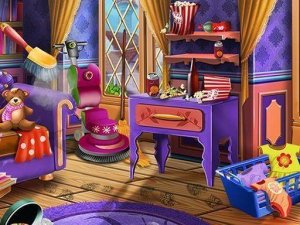
Each episode drops players into a distinct living space, such as a musician's studio or a gardener's cottage. The goal is to examine every shelf, drawer, and picture frame for clues. Numbers on a calendar might open a locked cabinet, and a pattern on a rug could reveal a hidden compartment. Because the rooms are furnished with personal items that hint at the resident's interests, searching feels purposeful rather than random.
Linking Clues and Using Inventory
Collected items must be applied to the correct spots. A key found inside a book might unlock a desk, while a magnet could retrieve a stamp stuck under a table. The inventory system is straightforward: pick up objects and tap them on highlighted areas. Some puzzles require combining two items, like a magnifying glass and a note to read tiny text. This logical progression keeps the brain engaged without frustration.
Visual Style and Atmosphere
The graphics use soft colors and clear outlines, making objects easy to identify. Background music is gentle, with occasional sounds like a clock ticking or a door creaking. The calm tone encourages players to take their time. There are no timers or penalties for wrong choices. This design suits players who prefer relaxation over competition.
Episode Structure and Replay Value
Each episode presents a new apartment with a different theme. Returning players will notice consistent mechanics, like the same inventory system and hint button. New puzzles build on previous ones, gradually increasing in complexity. The series format means collectors can look forward to fresh content regularly. The stamp album fills up over time, providing a visual record of progress.
Compatibility
FAQ
Comments
Sign in to comment
You must be logged in before posting a review or rating.
No comments yet. Be the first to comment!







Editorial Notes