
Artisan Forge: Tool Crafting Challenge
About
Artisan Forge: Tool Crafting Challenge trades urgency for rhythm. Its strength is the step-by-step metalworking loop: mold selection, heating, hammering, tempering, and polishing, each with simple controls but real consequences for the final tool. The duel system works as honest feedback rather than combat, showing where your technique excels or needs work. The main limitation is the lack of explicit tutorials and stat readouts, which may frustrate players who want clear numbers. It suits creative, patient players who enjoy experimentation over fast progression.
Inside the 3D Workshop
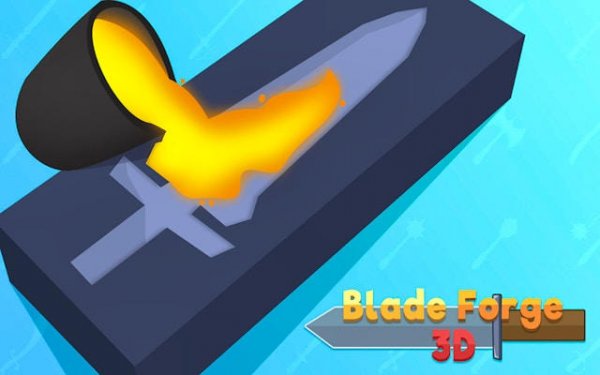
Artisan Forge: Tool Crafting Challenge puts you at a workbench in a detailed 3D metalworking shop. You begin with basic materials and follow a hands-on sequence to turn them into functional items. The space is built to feel immersive without being cluttered, so attention stays on the rhythm of making something. Glowing forges and the steady clang of metal set a calm pace rather than an urgent one. [IMG_1]
From Mold to Finished Tool
Every session starts when you choose a mold, which fixes the initial form of the project. From there you move to the anvil, heating the material until it glows, then striking it with a hammer to refine the shape. Timing and precision matter: uneven strikes can affect the final product. Tempering follows, a cooling step that strengthens the item, and polishing brings out its shine and improves performance. Controls stay simple, but the process rewards careful attention, and nothing stops you from repeating a step to get a better result.
Craftsmanship Duels as Feedback
Once a tool is complete, it enters a duel against an opponent's creation. These are not fights; they are simulated stress tests that show which item performs better. The outcome depends on workmanship, so a well-made tool has a clear advantage. This gives you a light competitive element without pressure, because you can always refine your technique and try again. Over time, duels reveal which mold shapes and polishing methods produce the most durable and effective tools. [IMG_2]
Molds, Finishes, and Personal Style
The variety of molds is one of the game's strengths. Each creates a different base shape, from simple blades to complex mechanical parts, and polishing adds another layer of customization through different finishes. The game does not spell out exact stats, so experimenting with combinations is how you learn the patterns. That encourages creative thinking: no two players will craft identical tools. The depth is enough to keep sessions fresh, while the core loop stays short enough for quick play.
A Pace That Never Rushes You
There are no timers, no failure states, and no penalties for taking your time. The focus is on the process rather than the outcome, which suits players who enjoy creative hobbies or want a break from fast-paced games. Warm visuals, soft lighting, and smooth animations support the calming tone, and sound effects like the hiss of cooling metal add immersion without being intrusive. Improvement comes naturally through repetition: if a tool breaks during a duel, you know tempering needs attention; if it performs poorly, you might adjust your hammering. The game offers only basic instructions, so discovery is part of the experience.
✅ Compatibility & Testing
FAQ
Comments
Sign in to comment
You must be logged in before posting a review or rating.
No comments yet. Be the first to comment!







Editorial Notes