
Urban Patrol Officer Driving Experience
About
Urban Patrol Officer Driving Experience targets players who want a grounded patrol simulation rather than arcade action. Its strengths lie in the weighty vehicle physics, the freedom to explore a multi-district city, and the added depth of stepping out of the car to handle incidents. The absence of a traditional leveling system keeps the focus on skill development. However, the game may feel repetitive for those seeking varied mission types or multiplayer. It suits patient drivers who value realism over spectacle.
Patrol Objectives and Mission Flow
Players assume the role of a patrol officer responsible for order across a large city. The core loop involves driving a realistic patrol vehicle through residential zones, commercial districts, and main thoroughfares. Objectives include monitoring traffic, responding to calls for assistance, and pursuing vehicles that fail to comply with traffic laws. Each scenario demands quick thinking and precise vehicle handling, giving every patrol shift a sense of purpose. Missions build on one another, adding layers of responsibility without relying on a traditional leveling system.
Vehicle Handling and Control
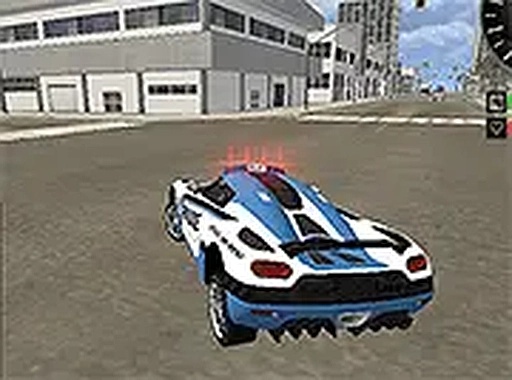
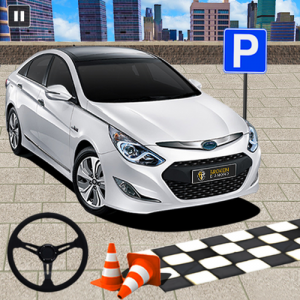
The driving model emphasizes realistic physics. Acceleration, braking, and steering require care, as weight transfer and traction affect cornering and stopping distances. Keyboard or mouse inputs keep the basics accessible for newcomers, but mastering smooth turns and efficient navigation is essential for completing objectives on time. The patrol car includes functional emergency lights and a siren system, which are key tools for clearing traffic and signaling during pursuits. [IMG_1]
Open City Exploration
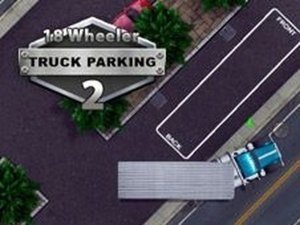
The city is an open environment with multiple points of interest scattered across its streets. Players can freely drive through different areas, discovering landmarks, traffic patterns, and incident hotspots. This freedom encourages exploration beyond the main mission structure, helping players learn the city layout. Residential zones, commercial districts, and main thoroughfares each present distinct driving challenges. Exploring the map can also reveal hidden objectives or shortcuts that aid future patrols. [IMG_2]
On-Foot Interactions and Progression
Beyond driving, players can exit their vehicle and interact with the environment directly. This adds depth, allowing officers to approach situations on foot—checking a stopped vehicle or investigating a reported incident. Parking safely before exiting becomes an important habit, as leaving the vehicle in a dangerous spot can lead to collisions or mission failures. As players complete patrol missions, they naturally improve driving skills and reaction times. Consistent performance yields smoother mission completion and fewer collisions, keeping the experience engaging without complex progression mechanics.
Compatibility
FAQ
Comments
Sign in to comment
You must be logged in before posting a review or rating.
No comments yet. Be the first to comment!




Editorial Notes