
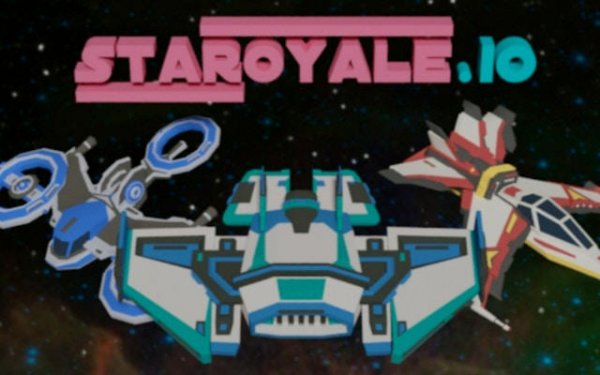
Staroyale Space Team Arena
About
Staroyale Space Team Arena targets players who want quick, lighthearted space competition without downloads or steep setup. Its strengths lie in the interplay between starship selection, resource-driven abilities, and environmental tools like asteroid cover and speed boost zones. Team modes reward coordination, while solo survival challenges test individual piloting. The cheerful art style and simple keyboard controls make it approachable for all ages. The main limitation is that depth depends on how much you engage with ability timing and map awareness, since the core loop stays consistent across modes.
Starship Selection and Customization
Matches begin with choosing a starship that fits your intended role. The roster includes options such as nimble scout ships built for fast navigation and sturdy cruiser ships designed to support teammates. This choice shapes how you move through the arena and which abilities you bring into a fight, so picking a hull that matches your instincts matters more than chasing a single best option.
Resource Collection and Ability Timing
Glowing space resources scattered around the arena charge your ship's unique abilities. Grabbing them quickly gives you more frequent access to those abilities, but the real edge comes from timing. Holding a charged ability for the right moment, whether to swing a team objective or escape a bad position, often matters more than firing it off the instant it becomes available.
Arena Tactics and Environmental Cover
Arenas include floating asteroid cover and speed boost zones that change how engagements play out. Asteroids block incoming attacks and break line of sight, while boost zones let you close distance or retreat faster than normal. Learning where these features sit on each map turns them from scenery into tools you can use to control a fight.
Team and Solo Match Objectives
Match goals vary between team-based objectives, such as earning the most points for your side, and solo survival challenges where the last pilot standing wins. Team modes reward coordination and shared positioning, while solo rounds lean on individual piloting and awareness. Both formats use the same core controls and resource system, so skills carry over between them.
Compatibility
FAQ
Comments
Sign in to comment
You must be logged in before posting a review or rating.
No comments yet. Be the first to comment!






Editorial Notes