
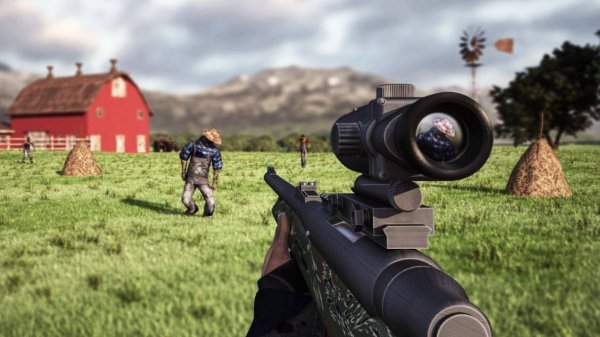
Safe Haven Defense Strategy
About
Safe Haven Defense Strategy targets players who enjoy cooperative planning and resource management under pressure. Its strength lies in the constant trade-off between repairing defenses, sending out search parties, and keeping morale high. The point-and-click defense waves provide reactive moments, but the real challenge is preparation. The game avoids graphic violence, focusing instead on the tension of protecting a community. Those seeking fast-paced action may find the pacing deliberate, but strategists will appreciate the layered decision-making.
Balancing Immediate Needs and Long-Term Survival
Safe Haven Defense Strategy places you in charge of a survivor group facing constant threats from mysterious creatures. Your primary objective is ensuring everyone's safety, achieved through careful resource management and strategic planning. The game's core tension comes from balancing immediate defensive needs—repairing walls, assigning guards—with long-term sustainability like gathering materials and maintaining morale. Every decision about allocating limited resources carries weight, from when to send out search parties to how to keep spirits high. This creates a suspenseful atmosphere built on scarcity and responsibility rather than graphic violence.
Managing the Safehouse and Search Parties
Gameplay follows a cycle of preparation and action. Between creature attacks, you manage the safehouse by assigning survivors to repair defenses and gather basic materials. Organizing search parties lets you explore surrounding areas for tools, equipment, and other survivors. These expeditions require balancing potential rewards against the risk of leaving your base undermanned. The point-and-click interface makes targeting creatures during defense waves straightforward, but success depends on how well you've managed energy, morale, and wall durability beforehand. Proactive resource gathering and reactive defense must work together.
Morale, Energy, and Decision-Making Under Pressure
Team morale directly affects performance. Low spirits can cause mistakes during critical moments, making rest and morale-boosting activities as important as physical defenses. Energy management determines how many tasks survivors can complete before needing recovery. During attack waves, quick decisions about target prioritization and when to retreat from overwhelmed search parties become crucial. The game rewards players who plan ahead, maintain backup strategies, and learn from each wave to refine their approach. Cooperation among survivors—and among players in co-op—drives the experience.
Compatibility
FAQ
Comments
Sign in to comment
You must be logged in before posting a review or rating.
No comments yet. Be the first to comment!


Editorial Notes